Abidi History

History of Dr. Abidi Pharmaceuticals
غلامعلی عبیدی | gholamali abidi
Dr.Abidi.
Dr.Abidi - Uzbikestan
Acrodite
Cubel Darou
Dr.Abidi - history
Synthon
GMP
1299

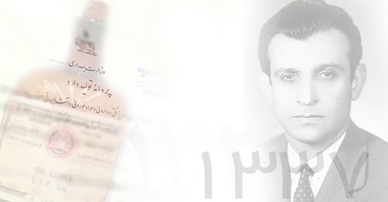
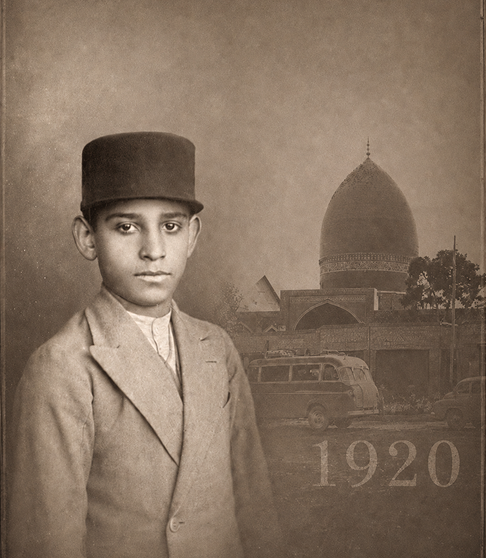
Dr. Gholam Ali Abidi was born on the 19th of Khordad, 1299 (A.H.), into a noble and prominent family in Tehran.

1938

After completing his primary and secondary education, he entered the Faculty of Medicine and Pharmacy of the University of Tehran in 1938 and studied under the famous professors of that time. He graduated from the Faculty of Pharmacy of the University of Tehran in 1943 with a PhD, and then went to France to complete his postgraduate studies.

1946

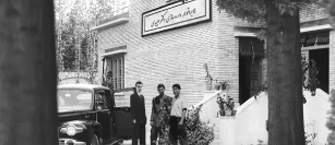
The poor health and medical conditions in the country, as well as the pitiful condition of patients during World War II, made him determined to produce medicine nationally in Iran. As a result of this decision, he established the country’s first pharmaceutical laboratory in 1946 at the intersection of Amin Huzoor in Tehran.

1955

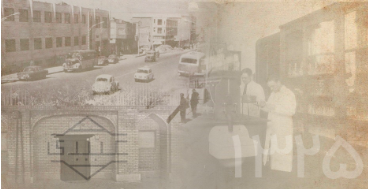
In 1955, Dr. Abidi, through his continuous follow-up, succeeded in receiving the first pharmaceutical license for “Vormicide Tablets” from the Ministry of Health at the time.

1941

The journal Physician and Medicine was published under his supervision and privilege from 1936 to 1941 and was made available to the medical community.

1962

In 1962, he established a more equipped and advanced laboratory at the Qolhak crossroads, but after some time in operation, he was forced to sell his shares to the Italian company Lepotti.

1973

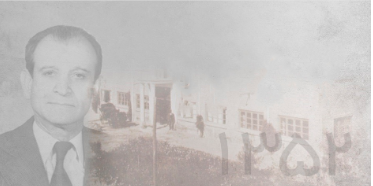
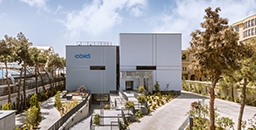
Dr. Abidi’s pharmaceutical laboratory was built by him in 1973 on a land of approximately 15,000 square meters located at kilometer 8 of the Karaj special road, and is still operating today.

1999

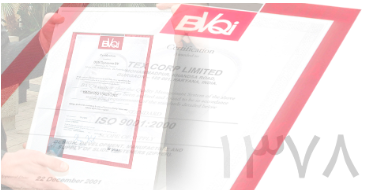
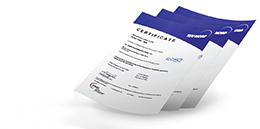
In 1999, Dr. Abidi Pharmaceuticals received ISO9001 certification in quality management from BVQI, England.
2002

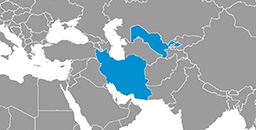
In 2002, a branch of Dr. Abaidi’s Pharmaceutical Laboratory was opened in the city of Samarkand, Uzbekistan, in the presence of the then president.

2004

Dr. Gholam Ali Abidi was a pious, charitable person who loved science and production. He had indescribable energy and a special dynamism; and he always thought beyond his time. On the evening of September 18, 2004, the heart of the father of Iran’s pharmaceutical industry finally stopped beating in Toos Hospital.

2006

In 2006, Dr. Abidi’s Pharmaceutical Quality Control Laboratory received accreditation from the Ministry of Health and Medical Education.

2008

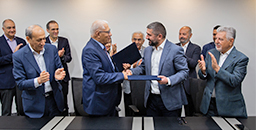
In 2008, Kobel Pharmaceutical Company, as the leading pharmaceutical importer in Iran, purchased more than 90% of the shares of Dr. Abidi Pharmaceutical Company.

2009

Dr. Abidi Pharmaceuticals is a trusted business partner of Sanofi Pharmaceuticals, which has been cooperating since 2009 for the domestic production of Plavix and since then for the production of Telefast, Depakine, Stilnox, and Daunil, and Daunil has also been licensed by Sanofi. Sanofi has supported Dr. Abidi Pharmaceuticals in improving manufacturing standards (GMP) and also in improving the quality of its products.

2012

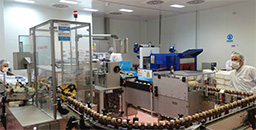
In 2012, the country’s largest and newest liquid production line was launched in compliance with GMP principles and based on international standards, in the presence of the then head of the Food and Drug Administration.

2014

In 2014, after continuous efforts and global standardization, Dr. Abidi’s pharmaceutical engineers and specialists succeeded in receiving an international Integrated Management System certificate from German inspectors and supervisors “Tufnord”. Also, Abidi Pharmaceuticals succeeded in receiving a GMP certificate from the Ministry of Health in the same year.
2015

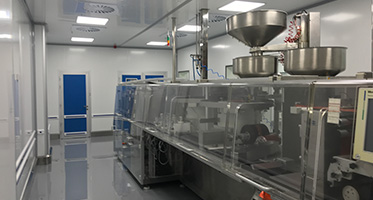
In 2015, on the eve of the 70th anniversary of the establishment of Dr. Abidi Pharmacy and coinciding with Pharmacy Day, a new production line for drugs for specific diseases was inaugurated with the transfer of technology from the Netherlands Sinton Company in the presence of Dr. Dinarvand, Director of the Food and Drug Administration. In the first step in this production line, the drug “dimethyl fumarate” was produced under the trade name “Difuzel” for MS patients.

2017

Dr. Abidi’s Pharmacy has been approved by Novartis and AstraZeneca in 2017 for all GMP requirements.

2019

Renovation and development of the construction sector

2020

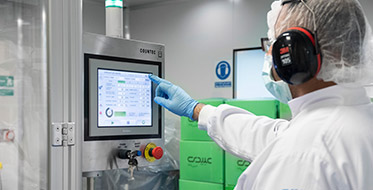
Launching new packaging lines

1401

بهره‌برداری از سایت عبیدی ۲

1402

ملحق شدن داروسازی بهوزان به عبیدی

1403

ملحق شدن داروسازی‌های امین و کوثر به عبیدی

1299
1320
1325
1341
1383

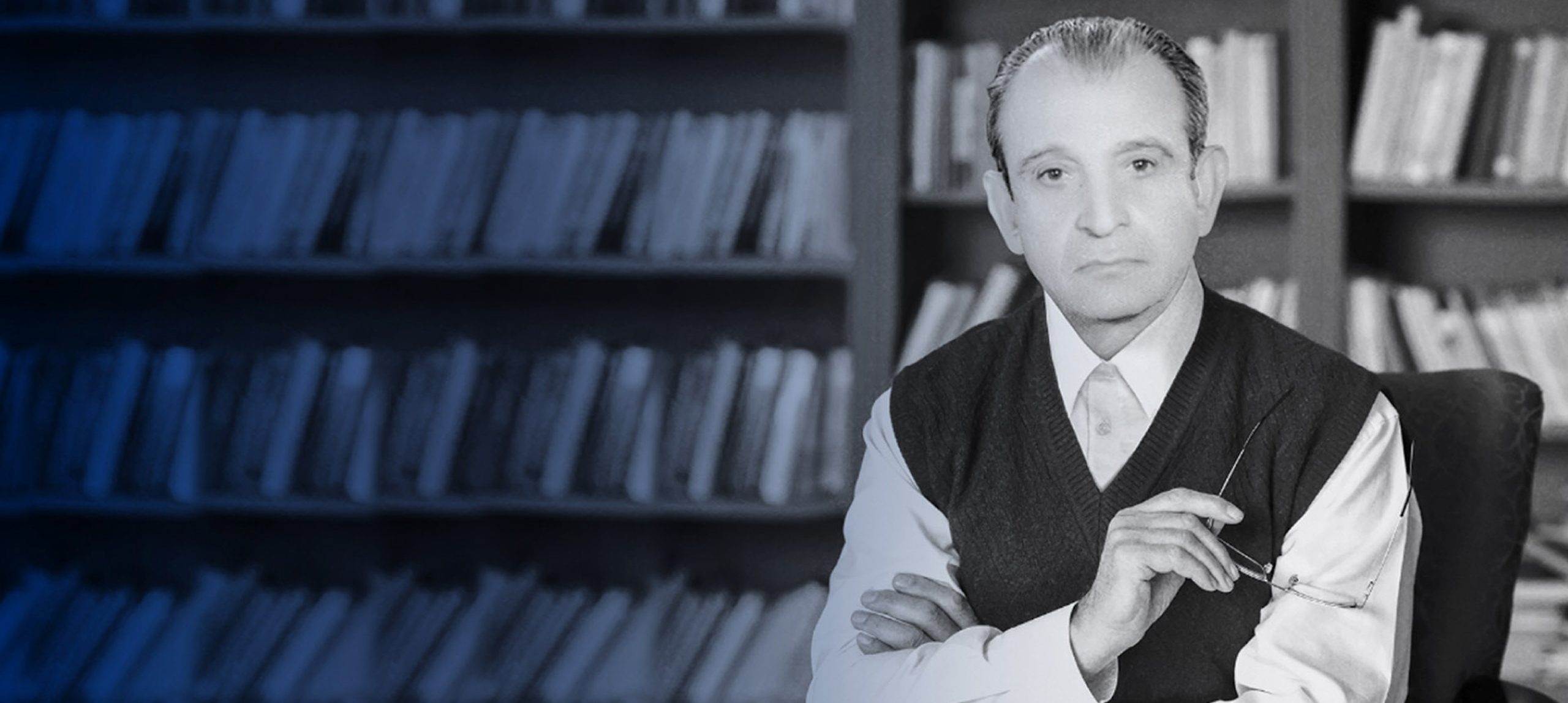
Biography of Dr. Abidi

Dr. Gholam Ali Abidi was born on June 19, 1929 in Tehran. He attended elementary and secondary school in Tehran and entered the Faculty of Medicine and Pharmacy of the University of Tehran in 1938. In 1942, he defended his doctoral thesis in pharmacy and graduated from this faculty.

After completing his studies, Dr. Abidi established a sales agency for a foreign pharmaceutical company in Iran. After a while, out of patriotism, he decided to import raw materials and enable production in Iran instead of importing drugs from abroad. The only way to achieve this important goal was to continue his education. So he went to France for postgraduate studies. Dr. Abidi’s main motivation for shaping the pharmaceutical industry in Iran was the widespread spread of infectious diseases and the high price of foreign drugs. After returning to Iran, he rented an old house at the intersection of Amin in Tehran and officially started producing drugs. He produced tablets and syrups in this house. Dr. Abidi’s first pharmaceutical product was antiparasitic drugs, which were widely used in Iran at the time.

He established the first pharmaceutical laboratory in Iran in 1946 and in 1955 was able to obtain the first pharmaceutical license for the pill “Vermicide” from the Ministry of Health at the time. Dr. Abidi produced quality and cheap medicine in his laboratory. He traveled to deprived areas of Iran to supply and sell these medicines to those who did not have high purchasing power.

Following this success, he equipped his laboratory in 1962. In the same years, Dr. Obidi ordered new machinery and set up the first ampoule production line in Iran. In order to improve the quality of the laboratory and expand the national production line, in 1973 he purchased a 15,000 square meter plot of land at kilometer 8 of the Karaj special road and moved Dr. Abidi’s pharmaceutical factory to this location.

Dr. Gholamali Abidi believed in the expansion of science and knowledge and made many efforts in this direction. Among these efforts, we can mention the establishment of a branch of Dr. Abidi’s pharmaceutical laboratory in Samarkand, Uzbekistan. Finally, Dr. Abidi, the father of the pharmaceutical industry in Iran, passed away on September 18, 2004, after a lifetime of activity in the field of national drug production.